Visualizing Workflows: Techniques for Better Clarity
In today's fast-paced business environment, clarity in workflows is essential. This article explores effective techniques for visualizing workflows that can help eliminate inefficiencies and improve productivity.
Understanding the Importance of Workflow Visualization
Workflow visualization involves mapping out processes in a visual format, which can often make it easier to identify bottlenecks and inefficiencies. According to studies, organizations that implement workflow visualization techniques report a 15-25% improvement in process efficiency.
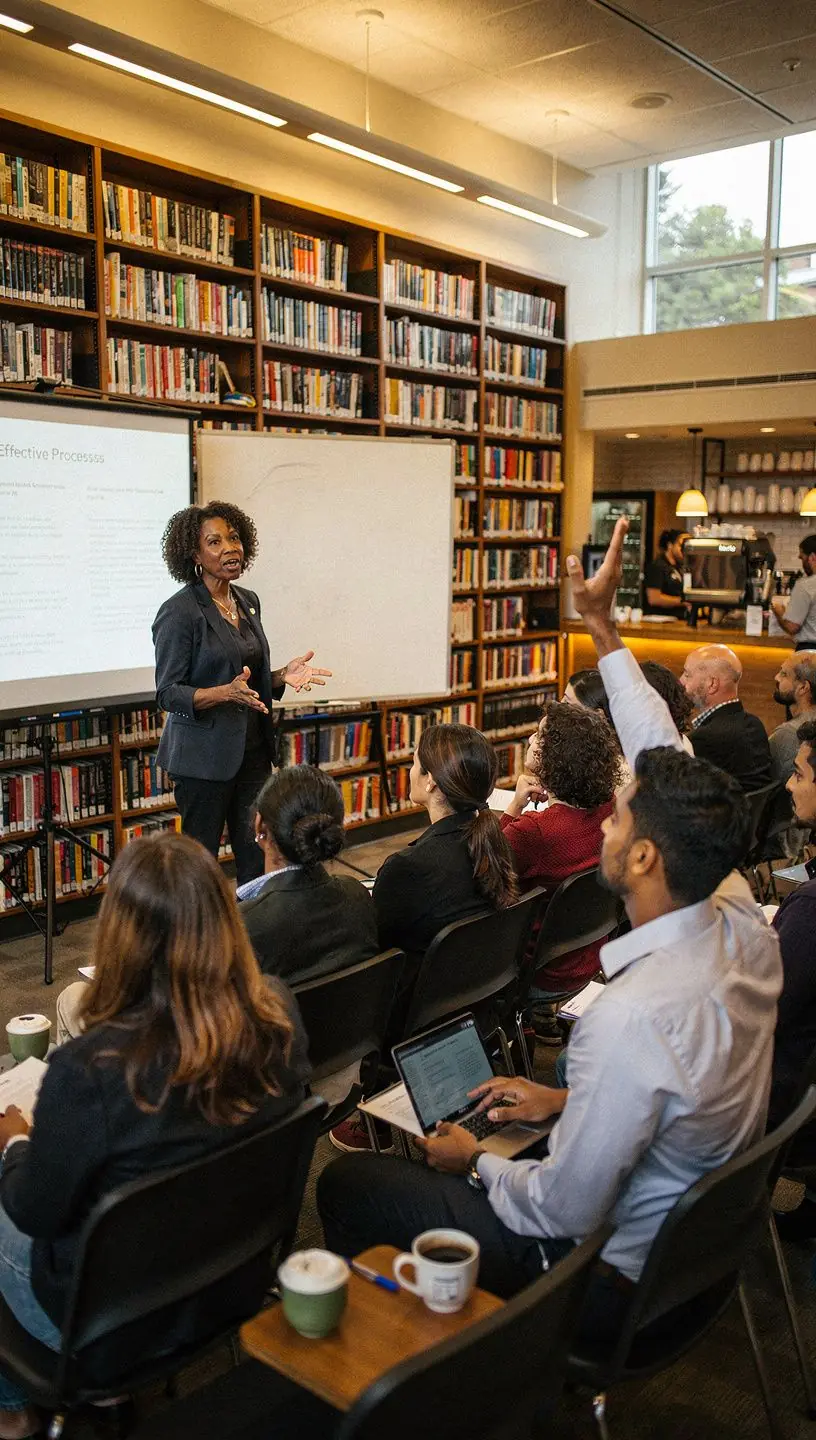
"Visual aids can significantly enhance understanding and retention of complex processes." - Process Improvement Expert
Effective Techniques for Visualizing Workflows
Here are some proven techniques that can help you visualize workflows effectively:
- Flowcharts: These are one of the simplest ways to map out processes. Flowcharts can help in identifying the sequence of steps and decision points in a workflow, making it easier to pinpoint areas for improvement.
- Swimlane Diagrams: These diagrams clarify roles and responsibilities within a process. By separating tasks into different lanes for each participant or department, it’s easier to see who is responsible for what, thereby reducing miscommunication.
- Value Stream Mapping: This technique helps organizations understand the flow of materials and information. Value stream mapping can highlight waste and areas needing attention. Research indicates that value stream mapping can enhance process efficiency by up to 30% when applied correctly.
Implementing Workflow Visualization Techniques
While the techniques mentioned above can be effective, implementing them requires a structured approach. Here’s a step-by-step guide:
- Identify the Process: Choose a workflow that you want to improve. In most cases, it’s best to start with a process that is critical to your operations.
- Gather Data: Collect information regarding the current workflow. Understanding the existing steps and outcomes is crucial before making changes.
- Create a Visual Representation: Use one of the techniques mentioned to map the workflow. This will serve as a visual tool to identify inefficiencies.
- Analyze and Optimize: Review the visualized workflow to pinpoint bottlenecks. Collaborate with stakeholders to discuss potential improvements.
- Implement Changes: After identifying opportunities for improvement, implement the changes. This process typically requires a commitment of 2-4 weeks for effective integration.
Conclusion
Visualizing workflows is a powerful technique that can lead to clearer understanding and significant improvements in efficiency. By applying these techniques, organizations can create a more streamlined approach to their processes. Remember, the journey to improved workflow visualization may take time and effort, but the long-term benefits often outweigh the initial commitment.